



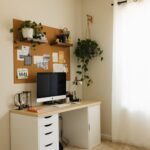





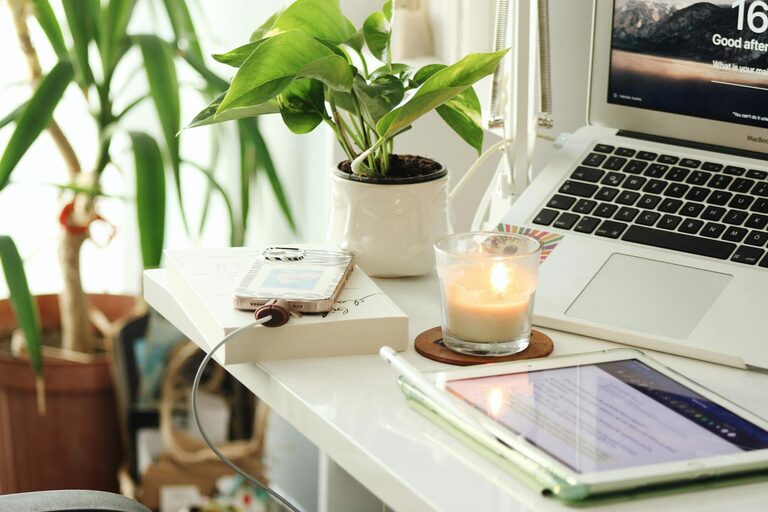
Creating a relaxing home workspace is essential for maintaining focus, reducing stress, and enhancing productivity, especially if you spend long hours working remotely. A well-designed environment can improve your mood and overall work experience. In this post, we’ll explore practical tips to help you design a comfortable and calming workspace that suits your needs.
Why a Relaxing Workspace Matters
A workspace isn’t just about functionality—it also affects your mental and emotional well-being. When your workspace feels peaceful and organized, you’re less likely to experience distractions and burnout. On the other hand, a cluttered or noisy environment can increase stress and disrupt your workflow.
Choosing the Right Location
Find a Quiet Spot
Select a place in your home where you are least likely to be interrupted. A quiet corner, spare room, or even a section of your living room can work well, as long as it helps minimize distractions.
Consider Natural Light
Natural light has been shown to boost mood and energy levels. Position your desk near a window if possible. If natural light is limited, opt for soft, warm artificial lighting instead of harsh overhead lights.
Desk and Chair: Comfort is Key
Invest in an Ergonomic Chair
A supportive chair helps prevent back pain and keeps you comfortable during long work sessions. Look for adjustable features like lumbar support and seat height.
Choose the Right Desk
Your desk should have enough surface area for your computer, notebooks, and any other essentials without feeling cramped. Standing desks or adjustable desks can be great if you prefer to alternate between sitting and standing.
Organize and Declutter
Keep Essentials Within Reach
Organize your supplies, such as pens, notebooks, chargers, and headphones, so you don’t waste time searching for them. Use desk organizers, trays, or shelves to keep everything in place.
Declutter Regularly
Remove unnecessary items from your workspace every week. A clean, clutter-free environment promotes calmness and helps you stay focused on tasks.
Add Personal and Calming Touches
Use Soothing Colors
Soft, neutral colors like blues, greens, or pastels can create a calming atmosphere. Consider painting your walls or adding accessories in these colors to make your workspace more inviting.
Incorporate Plants
Indoor plants not only improve air quality but also add a refreshing and calming element to your workspace. Low-maintenance plants like succulents or pothos are ideal.
Display Meaningful Items
Personal photos, inspirational quotes, or small artwork can make your space feel more personal and comforting without overwhelming it.
Manage Noise and Distractions
Use Noise-Canceling Headphones
If household noise interrupts your focus, noise-canceling headphones can help block distractions and keep you immersed in your work.
Play Background Music or Sounds
Soft background music or nature sounds, like rainfall or ocean waves, can enhance concentration and relaxation. Choose something without lyrics or strong beats.
Maintain Good Air Quality
Ventilation Matters
Make sure your workspace is well-ventilated. Fresh air can improve concentration and prevent drowsiness. Open windows periodically or use an air purifier if needed.
Control Temperature
Keep the room at a comfortable temperature. If possible, adjust the thermostat to your preferred setting or use a fan or heater to maintain comfort.
Establish a Routine and Take Breaks
Set Work Hours
Define clear work hours to create boundaries between work and personal life. This helps maintain balance and reduces stress.
Take Regular Breaks
Use short breaks to stretch, walk, or do breathing exercises. Breaks can refresh your mind and help maintain productivity throughout the day.
Utilize Technology Wisely
Minimize Screen Glare
Position your computer monitor to avoid glare from windows or lights. Adjust brightness and contrast settings for comfortable viewing.
Use Productivity Tools
Apps that manage tasks, timers, or focus techniques (like the Pomodoro method) can help keep your workflow smooth without feeling overwhelmed.
—
Creating a relaxing home workspace doesn’t require a complete overhaul. Small changes to your environment, organization, and routine can make a big difference in how you feel and work. By focusing on comfort, minimizing distractions, and adding calming touches, you can build a home office that supports both efficiency and well-being. Give these tips a try, and enjoy a more peaceful workday at home!