



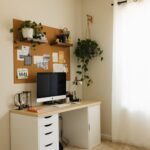




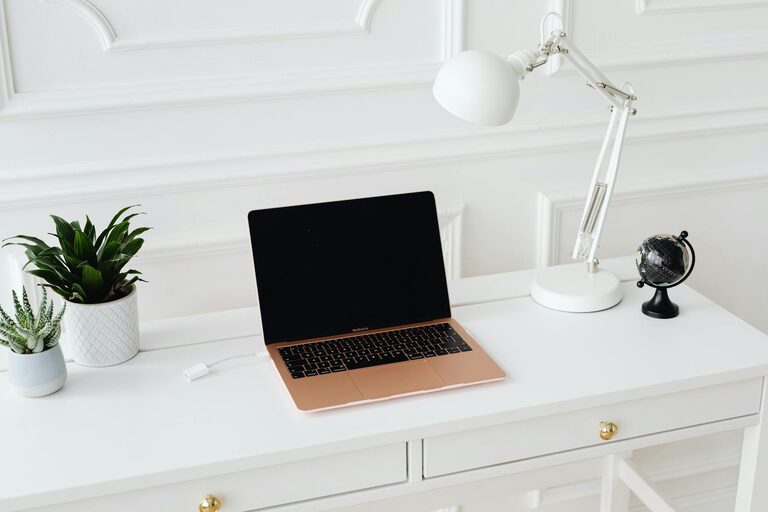
Creating a productive home office environment is essential for anyone working remotely or managing tasks from home. A well-designed workspace not only improves focus and efficiency but also contributes to your overall well-being. Whether you have a dedicated room or a small corner, these practical tips will help you build a home office that inspires productivity and comfort.
Choose the Right Location
Find a Quiet Space
Start by selecting a spot in your home where distractions are minimal. This could be a spare room, a section of your living room, or even a quiet corner in a bedroom. The key is to choose a place where household noise, traffic, or other interruptions are limited.
Consider Natural Light
Natural light has a positive effect on mood and alertness, so try to position your desk near a window if possible. Avoid glare on your screen by adjusting your desk’s orientation or using blinds to control sunlight.
Invest in Comfortable Furniture
Ergonomic Chair
A supportive, ergonomic chair is a worthwhile investment. It helps maintain good posture and reduces the risk of back pain during long work hours.
Desk at Proper Height
Your desk should be at a height that allows your arms to rest comfortably while typing. This alignment reduces strain on your wrists and shoulders.
Additional Furniture
Storage units like shelves or filing cabinets can keep your workspace organized. A small side table for a printer or personal items can also be useful.
Organize Your Workspace
Declutter Regularly
Keep your desk tidy by removing unnecessary items daily. A clean workspace can help your mind stay focused and avoid feeling overwhelmed.
Use Organizers
Desk organizers, trays, and cable management tools keep essentials within reach and prevent clutter from building up.
Keep Essential Tools Handy
Place frequently used items such as notebooks, pens, chargers, and planners nearby to avoid unnecessary breaks in concentration.
Optimize Lighting
Use Task Lighting
In addition to natural light, use a desk lamp to brighten your work area. Adjustable lamps allow you to focus light where you need it most.
Avoid Harsh Lighting
Soft, diffused light reduces eye strain and creates a warm, inviting atmosphere conducive to longer work sessions.
Set Up Technology Efficiently
Reliable Internet Connection
A strong and stable internet connection is crucial for video calls, file sharing, and research. Consider upgrading your router or using a wired connection if needed.
Essential Tech Tools
Make sure your computer, printer, and other devices are in good working order. Use a quality headset or microphone for clear communication.
Backup Solutions
Regularly back up your work using cloud services or external drives to avoid data loss.
Establish Boundaries and Routines
Define Work Hours
Set specific start and end times for your workday to maintain a balance between professional and personal time.
Communicate Boundaries
If you live with others, politely explain your work schedule to reduce interruptions.
Take Regular Breaks
Incorporate short breaks to stretch and rest your eyes. Techniques like the Pomodoro method—working for 25 minutes followed by a 5-minute break—can enhance focus.
Personalize Your Space
Add Plants or Artwork
Greenery and art can boost creativity and reduce stress. Choose items that make you feel calm and motivated.
Use Inspiring Colors
Colors impact mood; for example, blues and greens promote calmness, while yellows can increase energy.
Keep Comfort Items Nearby
A cozy blanket or a favorite mug can make your workspace feel welcoming.
Focus on Air Quality and Temperature
Ventilate Regularly
Open windows when possible to ensure fresh air circulation.
Use Air Purifiers
If ventilation is limited, air purifiers help maintain cleaner indoor air.
Maintain Comfortable Temperature
Adjust heating or cooling to create a comfortable environment that supports concentration.
Maintain Work-Life Balance
Separate Work from Leisure
Avoid working from places associated with relaxation, such as your bed or couch.
Transition Rituals
Create a routine to signal the start and end of your workday, like a morning walk or shutting down your computer.
—
By thoughtfully setting up your home office environment, you can enhance productivity, reduce stress, and enjoy a healthier work-life balance. Start with small changes and tailor your workspace to fit your needs for the best results.