






In today’s world, many people spend a significant amount of time working from home. Whether you’re a remote worker, freelancer, or someone who occasionally works in your home office, creating a workspace that is both cozy and functional can make a big difference in your productivity and overall well-being. Here are some practical tips to help you design an inviting and efficient home workspace.
Why a Cozy and Functional Workspace Matters
A workspace that feels comfortable encourages focus and reduces stress. When your environment is well-organized and pleasant, you are more likely to stay motivated and accomplish tasks efficiently. Striking the right balance between coziness and functionality means your space not only looks good but also supports all your work needs.
Choose the Right Location
Consider Natural Light and Noise
Pick a spot in your home that receives plenty of natural light, as it can enhance mood and energy. Avoid areas with excessive background noise or distractions. If noise is a concern, think about noise-cancelling headphones or adding soft furnishings that absorb sound.
Maximize Space Wisely
If space is limited, pick corners or less-used areas that can be dedicated to your workspace. A smaller desk can work well with smart organization, so don’t be discouraged if you don’t have a large room.
Invest in Comfortable Seating
Ergonomic Chairs Are Key
Your chair affects your posture and comfort during long work sessions. Look for one with adjustable height, lumbar support, and comfortable padding. If budget permits, ergonomic chairs designed for long sitting can prevent discomfort and fatigue.
Add Cushions and Throws
To make the space cozier, add a soft cushion or a throw blanket. These elements give warmth and personalization to your workspace.
Organize Your Desk for Efficiency
Keep Essential Items Within Reach
Arrange your desk so that frequently used items such as pens, notebooks, and your computer are easily accessible. Use desk organizers or drawer dividers to reduce clutter.
Cable Management
Tidy cables with clips, sleeves, or under-desk trays. A neat desk surface helps maintain focus and looks more inviting.
Use Colors and Decor that Inspire
Choose Soothing Colors
Soft colors like blues, greens, or neutrals can create a calming atmosphere. If you prefer brighter tones, use them as accents to avoid overstimulation.
Add Personal Touches
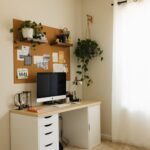
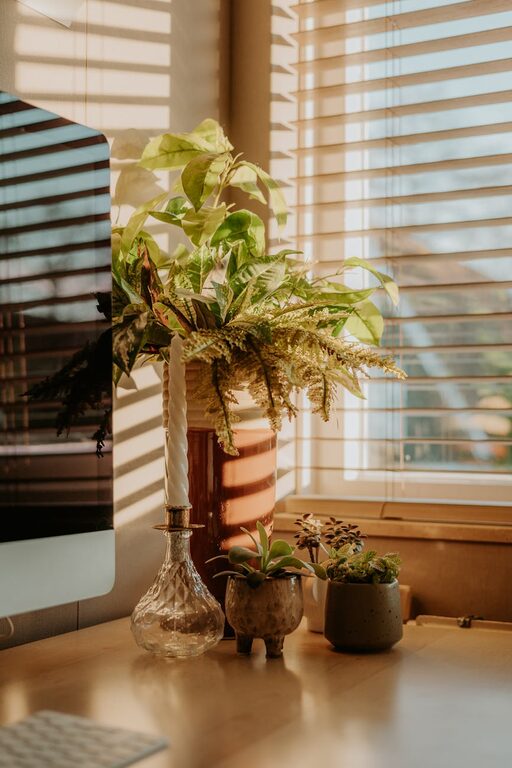
Photos, plants, or artwork that you enjoy can make your workspace feel uniquely yours. Plants, in particular, improve air quality and add a refreshing touch of nature.
Lighting Solutions for Every Time of Day
Mix Natural and Artificial Light
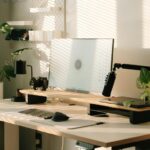
Natural light is best, but also include adjustable task lighting such as desk lamps to reduce eye strain during evening work.
Warm vs. Cool Lights
Warm light creates a cozy ambiance, while cool light tends to be better for focus. Consider using a lamp with adjustable color temperature for flexible lighting.
Maintain a Clutter-Free Space
Daily Tidying Routine
Spend a few minutes at the end of each day clearing your desk. This habit keeps your workspace ready for the next session and lowers stress.
Storage Solutions
Use shelves, cabinets, or filing boxes to store documents and supplies. Keeping your work materials organized allows you to find what you need quickly.
Create Zones for Different Activities
If space allows, separate areas for computer work, reading, or brainstorming. Even designating different parts of your desk or room for various tasks can help keep you focused.
Incorporate Break Areas
Taking breaks is important. If possible, include a small comfy chair or a spot where you can relax away from your desk. This encourages healthy movement and refreshes your mind.
Personal Wellness Reminders
Add items that encourage self-care, such as a water bottle to stay hydrated, a small timer to remind you to stretch, or calming scents like lavender. These simple additions keep your well-being front and center.
Final Thoughts
Your home workspace should be a place you look forward to using each day. By thoughtfully combining comfort, organization, and personal style, you create an environment that supports productivity and feels welcoming. Start small—making changes over time can lead to a space that truly works for you.