



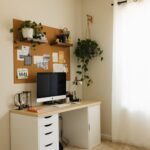
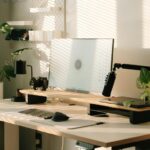




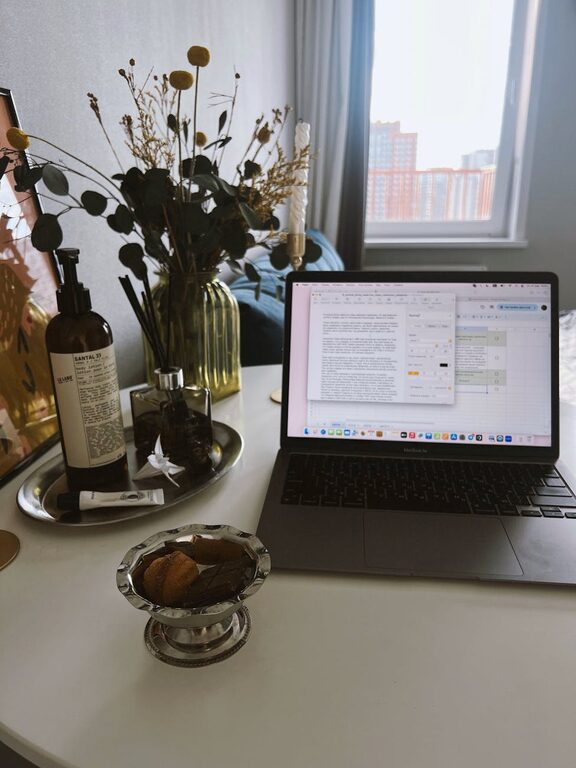
Creating a home office that feels cozy yet boosts productivity can make a huge difference in your daily work routine. Whether you’re freelancing, working remotely, or simply need a dedicated space for focused tasks, a well-designed office can improve your mood, efficiency, and overall satisfaction.
In this post, we’ll share helpful tips to help you build a home office space that’s inviting, organized, and conducive to getting things done.
Choose the Right Location
Selecting the ideal spot for your home office is the first step. Consider these factors:
– Natural Light: Position your desk near a window if possible. Natural light enhances mood and reduces eye strain.
– Quiet Environment: Pick a space away from household traffic and noise to minimize distractions.
– Space Availability: Ensure there’s enough room for your desk, chair, storage, and any other essentials without feeling cramped.
Invest in Ergonomic Furniture
Comfort is key to staying productive, especially during long work hours. Pay attention to:
– Chair: Choose an adjustable chair with good lumbar support to maintain proper posture.
– Desk: Select a desk that fits your work style; standing desks or adjustable desks can offer flexibility.
– Monitor and Keyboard Placement: Your screen should be at eye level, and your keyboard placed for comfortable typing to avoid strain.
Personalize Your Space
Adding personal touches can make your workspace feel welcoming and motivating:
– Colors: Use warm or calming colors, like soft blues, greens, or earth tones, to create a relaxing atmosphere.
– Plants: Indoor plants not only brighten the space but can also improve air quality.
– Decor: Include artwork, photos, or inspirational quotes that resonate with you without cluttering the area.
Keep Clutter Under Control
A tidy desk helps clear your mind. Try these organizing strategies:
– Storage Solutions: Use shelves, drawers, or filing cabinets to keep documents and supplies organized.
– Cable Management: Utilize clips or ties to manage cords and prevent tangles.
– Daily Clean-Up: Set aside a few minutes at the end of each day to put everything back in place.
Optimize Lighting
Good lighting reduces fatigue and helps maintain focus. Aim for:
– Layered Lighting: Combine natural light, overhead lights, and task lighting (like desk lamps) to avoid harsh shadows.
– Adjustable Lamps: Use lamps with adjustable brightness to suit different times of the day.
Minimize Distractions
Creating boundaries between work and home life can improve concentration:
– Dedicated Work Zone: Keep work-related materials in your office space only.
– Noise Control: Use noise-cancelling headphones or white noise machines if background noise is an issue.
– Set Boundaries: Communicate your work hours with family or housemates to reduce interruptions.
Incorporate Technology Wisely
Use tools that support your workflow without causing complications:
– Reliable Internet: Ensure your connection is stable for video calls and file sharing.
– Efficient Equipment: Invest in quality hardware like printers, scanners, or headsets to avoid technical hiccups.
– Software and Apps: Use productivity apps for task management, focus timers, or note-taking.
Maintain Healthy Habits
Supporting your well-being helps keep your productivity high:
– Take Breaks: Stand up, stretch, or walk around regularly to reduce fatigue.
– Stay Hydrated: Keep a water bottle nearby and drink throughout the day.
– Organize Your Schedule: Use planners or digital calendars to manage tasks and avoid last-minute stress.
Final Thoughts
Designing your home office with a balance of comfort and functionality can transform your workday. By choosing the right location, investing in good furniture, keeping things organized, and minimizing distractions, you create an environment where productivity naturally thrives. Personal touches and healthy habits make the experience enjoyable, encouraging you to look forward to your work routine.
Take the time to customize your space thoughtfully and see how it positively impacts your focus and well-being. Happy decorating!